

The Complete Beginner’s Guide to Home Dog Grooming
I still remember the first time I tried grooming a dog at home. Clippers buzzing, dog confused, me way too confident for someone who had no idea what a guard comb was. It was messy, imperfect, and honestly kind of funny in hindsight. But it also taught me something important, dog grooming at home is not about perfection. It is about consistency, comfort, and learning a simple system you can repeat.
If you are here looking for beginner dog grooming tips or trying to figure out whether DIY dog grooming is even realistic, the short answer is yes, with the right expectations. You do not need professional training or fancy equipment. You need patience, basic tools, and a routine that works for both you and your dog.
This guide is built for first-time dog owners who want to groom at home without stressing themselves or their dog out.
Home Dog Grooming Basics for Beginners
Home dog grooming is simply the routine care of your dog’s coat, skin, nails, ears, and hygiene done at home instead of a salon. For beginners, the goal is not a show-ready finish. The goal is a clean, comfortable, healthy dog.
When done right, grooming at home:
-
Builds trust between you and your dog
-
Helps you spot health issues early
-
Saves money over time
-
Reduces stress for dogs who hate groomer visits
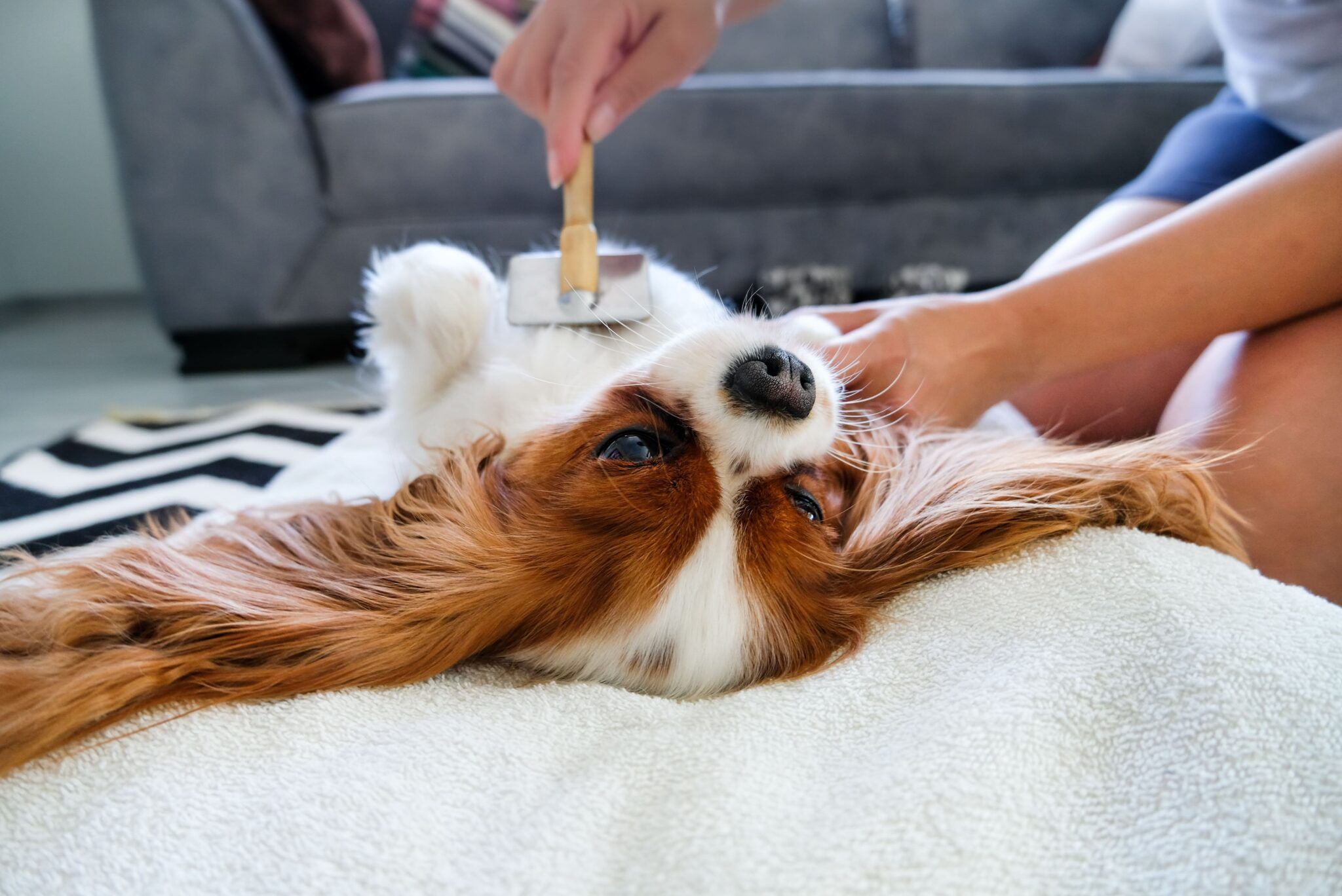
1. Understand Your Dog’s Coat Type First
Before buying tools or turning on clippers, you need to know what kind of coat you are working with. This dictates everything.
Common coat types include:
-
Short coats like boxers or labs
-
Double coats like huskies and shepherds
-
Curly or wavy coats like poodles and doodles
-
Long silky coats like shih tzus and yorkies
For example, double-coated dogs should never be shaved down because it can permanently damage their coat and temperature regulation. Curly coats need regular brushing to avoid painful matting.
2. Essential Home Dog Grooming Tools You Actually Need
You do not need a professional grooming table or a wall of tools to start. Keep it simple.
Beginner essentials:
-
Slicker brush or pin brush matched to coat type
-
Metal comb for checking mats
-
Dog-safe shampoo, never human shampoo
-
Nail clippers or grinder
-
Towels and a non-slip bath mat
Optional but helpful as you gain confidence:
-
Clippers with guard combs
-
Ear cleaning solution
-
Grooming scissors for trimming feet and face
3. How to Groom a Dog at Home Step by Step
This is where most beginners get overwhelmed, so think in phases instead of one long session.
Step 1: Brush before bathing
Always brush first. Water tightens mats and makes them harder to remove. Brushing also removes loose hair and dirt.
Step 2: Bath time basics
Use lukewarm water and keep shampoo away from eyes and ears. Talk calmly and move slowly. Rinse more than you think you need to.
Step 3: Dry thoroughly
Towel dry first. If using a dryer, use low heat and keep it moving. Damp coats cause skin irritation.
Step 4: Nails and ears
Trim a little at a time. If you see a dark center in the nail, stop. Clean ears gently, never push cotton deep inside.
Step 5: Light trimming if needed
For beginners, stick to sanitary trims, paw pads, and light face cleanups.

4. Common Beginner Mistakes to Avoid
I made all of these early on, so learn from my scars.
-
Grooming when your dog is already anxious or tired
-
Rushing through brushing
-
Using dull or cheap tools
-
Cutting nails too short out of impatience
-
Trying a full haircut on day one
Home dog grooming is a skill. Skills improve with repetition, not pressure.
5. How Often Should You Groom Your Dog at Home?
Frequency depends on coat type and lifestyle.
General guidelines:
-
Brushing, 2 to 4 times per week
-
Bathing, every 4 to 6 weeks
-
Nail trimming, every 2 to 4 weeks
-
Ear cleaning, once per month or as needed
Active dogs or dogs with skin issues may need adjustments.
6. Making Grooming a Calm Routine, Not a Battle
Dogs feed off your energy. If you act tense, they feel it.
What helps:
-
Groom after exercise when energy is lower
-
Use treats during and after
-
Keep sessions short
-
Stop before frustration sets in
Some days you only brush for five minutes. That still counts.
FAQs About Home Dog Grooming
Is home dog grooming safe for beginners?
Yes, as long as you start slow and avoid aggressive trimming. Focus on brushing, bathing, and nails first before attempting full haircuts.
Can I groom my dog at home instead of going to a groomer?
Many dog owners successfully groom at home full-time. Some still visit a professional occasionally for full cuts or specific coat needs.
What is the most important tool for home dog grooming?
A good brush matched to your dog’s coat type. Regular brushing prevents most grooming problems before they start.
Closing Thoughts
DIY dog grooming is not about turning your bathroom into a professional salon. It is about building a routine that keeps your dog clean, comfortable, and healthy while giving you confidence over time. When you commit to dog grooming at home, you start noticing things sooner, skin issues, coat changes, even subtle behavior shifts.
You will mess up a trim, miss a nail, or soak your floor at least once. That is normal. The best beginner dog grooming tips are simple ones, go slow, stay consistent, and stop before frustration sets in.
If you want more practical pet care guides that make ownership easier and less overwhelming, subscribe and stick around. The goal here is simple, help you care for your dog with clarity and confidence.